
Wolverine Stack Peptide Therapy (BPC-157 + TB-500) in Valparaiso, IN
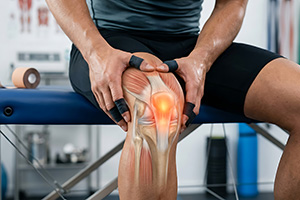
Wolverine Stack peptide therapy, also called Wolverine Blend peptide therapy or BPC-157 and TB-500 combination therapy, combines two investigational peptides commonly discussed for muscle, tendon, ligament, joint and soft-tissue recovery goals.
BPC-157 and TB-500 are associated with different but potentially complementary biological pathways. BPC-157 research has reported favorable findings involving tendon-cell migration, muscle and ligament healing, vascular organization and functional recovery. TB-500 is related to a biologically active region of thymosin beta-4 involved in cell migration, actin regulation, blood-vessel formation and wound repair.
A small retrospective human study included four patients who received BPC-157 with thymosin beta-4 for knee pain. Three of the four patients reported significant improvement. Most remaining evidence comes from separate laboratory and animal studies involving BPC-157, the TB-500-related peptide sequence or full-length thymosin beta-4.
Wolverine Stack and Wolverine Blend are informal marketing names rather than standardized pharmaceutical terms. Products using these names may contain different peptide forms, concentrations or ratios.
Neither BPC-157 nor TB-500 is currently FDA-approved, and there is no FDA-approved Wolverine Stack formulation, dose or treatment protocol. A physician-guided evaluation can help determine whether combination peptide therapy may fit within a broader regenerative medicine and rehabilitation plan.
To learn more about Wolverine Stack peptide therapy in Valparaiso, IN, call (765) 259-0545 or contact Charles Turner MD online.
What Is the Wolverine Stack?
The Wolverine Stack is an informal name for combining BPC-157 and TB-500 within the same recovery or regenerative-care plan.
The name is intended to suggest accelerated healing and physical resilience. It does not represent a recognized medical diagnosis, FDA-approved treatment or standardized pharmaceutical formulation.
A product or protocol marketed as the Wolverine Stack may involve:
- BPC-157 and TB-500 supplied as separate preparations
- Both peptides combined within one vial
- Different ratios of BPC-157 to TB-500
- Different peptide concentrations or chemical forms
- Different administration schedules and treatment durations
The name alone does not establish what a product contains. A prescribing physician should identify the exact active ingredients, concentrations, formulation and administration instructions.
Is the Wolverine Blend the Same as the Wolverine Stack?
Yes. Wolverine Blend and Wolverine Stack are generally used interchangeably to describe combination therapy involving BPC-157 and TB-500.
Some providers use “blend” for peptides supplied together in one vial and “stack” for peptides used within the same treatment plan. This is not a consistent or medically recognized distinction. Other providers use both names for the same combined preparation.
Whether a product is called a stack, blend or combination, patients should confirm:
- Which peptides are included
- The amount of each peptide
- Whether the peptides are supplied separately or together
- The exact chemical form of each ingredient
- The proposed administration method
- How the product should be stored
- How treatment response will be evaluated
What Is BPC-157?
BPC-157 is a synthetic peptide composed of 15 amino acids. It is derived from a sequence associated with a larger protective compound identified in gastric juice.
Preclinical BPC-157 research has examined:
- Tendon healing
- Ligament healing
- Muscle recovery
- Tendon-to-bone attachment
- Fibroblast migration
- Collagen organization
- Blood-vessel development
- Gastrointestinal tissue protection
- Soft-tissue and wound repair
Laboratory studies have reported that BPC-157 supports tendon-fibroblast outgrowth, cell survival during oxidative stress, cellular migration and signaling involving FAK and paxillin. These processes contribute to how repair cells attach, move and organize within healing tissue.
Animal studies have also reported favorable functional, biomechanical and microscopic findings in tendon, ligament and muscle-injury models.
What Is TB-500?
TB-500 commonly refers to a short peptide related to the active actin-binding region of thymosin beta-4.
Full-length thymosin beta-4 is a naturally occurring 43-amino-acid peptide found in many cells and body fluids. It participates in the regulation of actin, a structural protein involved in cell shape, attachment and movement.
The short sequence commonly associated with TB-500 contains the amino-acid motif LKKTETQ. Research involving this region has reported biological activity related to:
- Actin binding
- Cell migration
- Endothelial-cell activity
- Blood-vessel formation
- Wound closure
- Tissue remodeling
TB-500 and full-length thymosin beta-4 are related but distinct substances. Positive findings involving full-length thymosin beta-4 provide support for the broader biological pathway but should not automatically be interpreted as proof that TB-500 produces the same clinical result.
Why Are BPC-157 and TB-500 Combined?
The rationale for combining BPC-157 and TB-500 is based on potentially complementary repair pathways.
BPC-157 research has reported effects involving:
- Tendon-fibroblast migration
- Cell survival during tissue stress
- Collagen organization
- Vascular development within healing tissue
- Tendon-to-bone healing
- Functional muscle and ligament recovery
TB-500-related and thymosin beta-4 research has reported effects involving:
- Actin regulation
- Cell movement through damaged tissue
- Endothelial-cell migration
- Angiogenesis
- Keratinocyte migration
- Collagen deposition
- Wound and extracellular-matrix remodeling
Combining the peptides is intended to influence several stages of recovery instead of focusing on one repair pathway. This is a biologically plausible rationale, but controlled human research has not established that the Wolverine Stack is more effective than either peptide used separately.
Potential Wolverine Stack Benefits Under Study
Patients may encounter Wolverine Stack peptide therapy when researching options intended to support:
- Muscle recovery following strains or overuse
- Tendon recovery and function
- Ligament recovery and joint stability
- Soft-tissue healing
- Joint comfort and mobility
- Recovery following selected orthopedic procedures
- Physical rehabilitation
- Return to exercise, athletics or physically demanding work
These are potential applications rather than FDA-approved indications. The actual treatment plan should be based on the tissue involved, the severity of the injury and an accurate medical diagnosis.
How Does Tissue Healing Occur?
Muscle, tendon, ligament and soft-tissue healing involves several overlapping stages.
- Initial response: Blood clotting and inflammatory signaling protect the damaged area and begin clearing injured tissue.
- Cell recruitment: Fibroblasts, immune cells, vascular cells and other repair cells move toward the injury.
- New tissue formation: Cells produce collagen and other extracellular-matrix components.
- Vascular development: Blood vessels help supply oxygen and nutrients to healing tissue.
- Remodeling: Collagen fibers gradually reorganize as strength, mobility and function improve.
The Wolverine Stack is discussed because BPC-157 and TB-500-related research involves several of these processes, including cell migration, vascular activity, collagen organization and tissue remodeling.
Peptide therapy cannot eliminate the need for proper loading, rehabilitation, nutrition and sufficient recovery time.
What Does Current Wolverine Stack Research Show?
Direct human evidence involving the combination is limited. Most research evaluates BPC-157, thymosin beta-4 or the TB-500-related sequence separately.
Human Knee-Pain Findings
A retrospective chart review evaluated intra-articular peptide injections in patients with different types of knee pain.
Among the 16 patients reached for follow-up:
- Eleven of 12 patients who received BPC-157 alone reported significant improvement
- Three of four patients who received BPC-157 with thymosin beta-4 reported significant improvement
- Fourteen of 16 patients receiving either protocol reported knee-pain relief
This provides preliminary human evidence involving the combination. The study was small, was not randomized and did not use standardized measurements of function, stiffness, imaging changes or quality of life.
The publication identified the second treatment as thymosin beta-4. It did not confirm that the substance was identical to every short TB-500 fragment or Wolverine Blend currently marketed.
BPC-157 Tendon-Cell Research
Laboratory research involving tendon fibroblasts reported that BPC-157 increased:
- Outgrowth of cells from tendon tissue
- Cell survival during oxidative stress
- Fibroblast migration
- Cell spreading
- F-actin formation
- FAK and paxillin signaling
Fibroblast migration and attachment are important components of tendon repair. These findings provide a potential mechanism for the favorable tendon-healing effects reported in animal studies.
BPC-157 Tendon-to-Bone Research
An animal study involving surgically detached Achilles tendons reported favorable functional and structural findings following BPC-157 treatment.
Reported improvements included:
- Improved Achilles functional measurements
- Greater load to failure
- Improved stiffness and elasticity measurements
- Better collagen-fiber organization
- Increased type I collagen
- Improved vascular appearance
- Stronger tendon-to-bone attachment
These findings involved an animal model and do not prove that the same degree of recovery will occur in a human tendon injury.
BPC-157 Ligament Research
A rat study involving surgically transected medial collateral ligaments evaluated systemic, oral and topical BPC-157 administration.
The study reported improvements in:
- Ligament function
- Biomechanical strength
- Macroscopic healing
- Microscopic tissue organization
Favorable findings were observed across several experimental administration methods.
BPC-157 Muscle-Recovery Research
Animal studies involving transected and crushed muscles reported functional and structural improvements after BPC-157 treatment.
Reported findings included:
- Increased load-to-failure measurements
- Improved walking and motor function
- Regenerating muscle fibers spanning the injured area
- Reduced muscle atrophy
- Improved macroscopic tissue appearance
These findings support continued research involving muscle injuries and physical recovery.
TB-500-Related Active-Site Research
The seven-amino-acid actin-binding region associated with TB-500 has demonstrated biological activity in laboratory models.
Researchers reported that this short sequence produced activity similar to full-length thymosin beta-4 in models involving:
- Endothelial-cell adhesion
- Cell migration
- Blood-vessel sprouting
- Angiogenic activity
This research provides mechanistic support for investigating the short peptide. It does not establish a human dose, treatment schedule or clinical outcome for injectable TB-500.
Thymosin Beta-4 and Human Wound Healing
Full-length thymosin beta-4 has been evaluated in human dermal-wound research. Phase 2 studies involving pressure and venous stasis ulcers reported accelerated healing among patients whose wounds closed.
Preclinical thymosin beta-4 studies have also reported:
- Faster reepithelialization
- Increased wound contraction
- Greater collagen deposition
- Increased angiogenesis
- Enhanced cellular migration
These findings involve full-length thymosin beta-4 rather than the short TB-500 fragment. They support the broader repair biology but are not direct evidence for a commercial Wolverine Blend.
Wolverine Stack Peptide Therapy for Tendon Recovery
Tendons connect muscles to bones and transfer force during movement. Their relatively limited blood supply can contribute to slow recovery after injury.
Patients may investigate BPC-157 and TB-500 combination therapy for concerns such as:
- Achilles tendon injuries
- Rotator cuff tendinopathy
- Patellar tendon discomfort
- Tennis elbow
- Golfer's elbow
- Hamstring tendon injuries
- Overuse-related tendonitis
- Recovery following tendon repair
A tendon condition should be evaluated to determine whether it involves temporary irritation, chronic degeneration, a partial tear or a complete rupture. Significant injuries may require diagnostic imaging, immobilization or orthopedic consultation.
Peptide therapy should complement rather than replace progressive tendon loading and physical therapy.
Wolverine Stack Peptide Therapy for Ligament Recovery
Ligaments connect bones and help stabilize joints. Common ligament injuries affect the knee, ankle, shoulder, wrist and other areas.
A medical evaluation may assess:
- The location and grade of the sprain
- Joint stability
- Swelling and bruising
- Range of motion
- Ability to bear weight
- Associated cartilage, tendon or bone damage
Preclinical BPC-157 research has reported favorable ligament-healing findings. TB-500-related pathways may also support cell migration and vascular activity, but human Wolverine Stack trials for ligament injuries have not been completed.
Patients with persistent instability or a suspected major tear may require imaging and evaluation for knee ligament injury treatment or another orthopedic intervention.
Wolverine Stack Peptide Therapy for Muscle Recovery
Muscle injuries range from mild strains to partial or complete tears. Symptoms may include pain, weakness, bruising, swelling and reduced physical function.
Patients may discuss combination peptide therapy following:
- Sports-related muscle strains
- Overuse injuries
- Direct muscle trauma
- Reduced recovery between workouts
- Postoperative weakness
- Prolonged inactivity or deconditioning
BPC-157 animal studies have reported favorable muscle-healing and functional-recovery findings. Thymosin beta-4 research supports biological pathways involving cell migration, angiogenesis and tissue organization.
A complete muscle-recovery plan may also require progressive resistance exercise, adequate protein intake, correction of movement patterns and treatment of any contributing metabolic or hormonal conditions.
Wolverine Stack Peptide Therapy for Joint and Knee Pain
Joint pain can result from cartilage changes, inflammation, tendon or ligament injury, altered biomechanics or previous trauma.
The small human BPC-157 and thymosin beta-4 study reported favorable patient-reported knee-pain outcomes. It did not demonstrate that the treatment repaired cartilage or corrected structural joint damage.
Persistent knee pain may require:
- Physical examination
- X-rays or magnetic resonance imaging
- Joint-stability testing
- Evaluation for meniscus or cartilage damage
- Assessment for osteoarthritis
- Review of activity, footwear and biomechanics
- A structured strengthening and mobility program
The appropriate treatment depends on the cause of the pain rather than the location alone.
Wolverine Stack Therapy After Surgery
Some patients ask about BPC-157 and TB-500 during recovery from orthopedic or soft-tissue surgery.
Postoperative healing depends on:
- The procedure performed
- The tissue repaired
- Blood supply
- Surgical fixation
- Rehabilitation
- Nutrition
- Smoking status
- Glucose regulation
- Infection prevention
Do not begin an investigational peptide after surgery without approval from the operating surgeon. Treatment could affect medication planning, clinical-trial eligibility or the interpretation of postoperative symptoms.
Wolverine Stack therapy should never replace wound care, activity restrictions, physical therapy or scheduled surgical follow-up.
Is the Wolverine Stack Better Than Either Peptide Alone?
Controlled human research has not established that BPC-157 and TB-500 work better together than either peptide used separately.
The small knee-pain study was not designed to compare the two approaches. The treatment groups were very small, were not randomized and did not receive standardized functional or imaging assessments.
A physician should determine whether to discuss one peptide, both peptides or another treatment based on:
- The diagnosed condition
- The tissue involved
- The severity and duration of the injury
- The available evidence
- Previous treatment response
- The patient's medical history
- The ability to measure progress
- Alternative treatment options
Using more peptides does not automatically produce faster or better recovery.
Wolverine Stack Therapy and Regenerative Medicine
BPC-157 and TB-500 combination therapy may be discussed as one component of a broader regenerative or musculoskeletal-care plan.
Other components may include:
- Physical therapy
- Progressive strength and mobility exercises
- Activity and load modification
- Nutritional support
- Sleep and recovery optimization
- Management of glucose and metabolic health
- Bracing or orthotics
- Shock wave therapy
- Platelet-rich plasma therapy
- Orthopedic or sports-medicine evaluation
Patients with significant sports injuries may benefit from coordinated care with an orthopedic sports-medicine specialist.
Who May Be Considered for Wolverine Stack Therapy?
A physician may discuss combination peptide therapy with an adult who has a clearly evaluated musculoskeletal or soft-tissue concern and understands the investigational nature of treatment.
Potential candidates may include patients who:
- Have a diagnosed tendon, ligament or muscle injury
- Experience persistent symptoms despite appropriate initial care
- Are participating in a structured rehabilitation program
- Have realistic and measurable recovery goals
- Can attend follow-up visits
- Understand the limitations of current human evidence
A consultation does not mean that the Wolverine Stack will automatically be recommended. Imaging, rehabilitation, an approved medication, another regenerative procedure or surgical evaluation may be more appropriate.
Physician-Guided Wolverine Stack Evaluation
Your consultation should begin with the injury and recovery goal rather than with a predetermined peptide protocol.
Your physician may review:
- How and when the injury occurred
- The location and severity of symptoms
- Previous imaging and diagnoses
- Current mobility and physical function
- Previous treatment and rehabilitation
- Current medications and supplements
- Previous peptide or regenerative treatment
- Medical conditions that may affect healing
- History of cancer or abnormal tissue growth
- Your work, exercise and athletic goals
Testing Before BPC-157 and TB-500 Therapy
Testing should be selected according to the condition being treated.
Possible assessments may include:
- Musculoskeletal examination
- Strength and range-of-motion testing
- Joint-stability testing
- X-rays
- Diagnostic ultrasound
- Magnetic resonance imaging
- Complete blood count
- Comprehensive metabolic panel
- Fasting glucose or hemoglobin A1c
- Inflammatory measurements when appropriate
- Nutritional or hormone testing when clinically indicated
Baseline pain, mobility, strength and functional measurements can help determine whether the overall treatment plan produces meaningful progress.
How Is Wolverine Stack Peptide Therapy Administered?
Peptide practices commonly discuss BPC-157 and TB-500 through subcutaneous injection. The limited human knee-pain study evaluated intra-articular administration.
There is no FDA-approved route, peptide ratio or treatment schedule for the Wolverine Stack.
If combination therapy is prescribed, your physician should explain:
- The exact identity and form of each peptide
- Whether the peptides are supplied separately or blended together
- The amount of each peptide within the preparation
- The proposed route and schedule
- How the medication should be stored
- How injection sites should be rotated
- The planned treatment duration
- How progress and possible adverse effects will be monitored
Do not purchase or inject products labeled solely for laboratory or research use.
Current Status of the Wolverine Stack
There is no FDA-approved Wolverine Stack, Wolverine Blend or BPC-157 and TB-500 combination medication.
There is also no FDA-approved:
- Combination formulation
- Ratio of BPC-157 to TB-500
- Dose or dosing schedule
- Route of administration
- Treatment duration
- Medical indication
- Monitoring protocol
Products marketed under the same name should not be assumed to be interchangeable. They may differ in peptide identity, chemical form, concentration, inactive ingredients, purity and stability.
Important Treatment Considerations
Human safety information for the combination remains limited. Possible treatment considerations may include:
- Injection-site pain, redness, swelling or bruising
- Headache
- Nausea or digestive symptoms
- Dizziness or fatigue
- Allergic or immune reactions
- Infection or bleeding related to an injection procedure
- Differences in product identity, purity and concentration
- Unknown medication and supplement interactions
- Unknown effects of repeated or prolonged treatment
The biological pathways under study include blood-vessel formation, cell migration and tissue growth. Careful evaluation is appropriate for patients with active cancer, previous cancer, unexplained masses or abnormal screening findings.
Tell your physician if you:
- Are pregnant, planning pregnancy or breastfeeding
- Have an active infection
- Have a bleeding disorder or use anticoagulants
- Have active or previous cancer
- Have significant liver, kidney or cardiovascular disease
- Have an autoimmune or immune-related condition
- Recently underwent surgery
- Are participating in a clinical trial
How Is Recovery Monitored?
Measurable goals should be established before treatment begins.
Monitoring may include:
- Pain at rest and during activity
- Range of motion
- Strength
- Joint stability
- Walking, running or lifting ability
- Ability to perform work or athletic activities
- Swelling and tenderness
- Standardized functional questionnaires
- Repeat imaging when medically appropriate
- Injection-site or systemic reactions
A reduction in pain does not necessarily mean that an injured tendon, ligament or muscle has regained full strength. Return to activity should be based on functional recovery, examination findings and medical guidance.
Frequently Asked Questions About the Wolverine Stack
What is Wolverine Stack peptide therapy?
Wolverine Stack peptide therapy is an informal name for combining BPC-157 and TB-500 within the same recovery or regenerative-care plan.
Is the Wolverine Blend the same as the Wolverine Stack?
Yes. Wolverine Blend and Wolverine Stack are generally used interchangeably for BPC-157 and TB-500 combination therapy. They are marketing terms rather than standardized medical or pharmaceutical names.
What peptides are included in the Wolverine Stack?
The Wolverine Stack generally contains BPC-157 and TB-500. The amounts, concentrations, chemical forms and ratios may differ among products.
Why is it called the Wolverine Stack?
The name references the fictional character known for rapid healing. The name is promotional and does not mean the treatment has been proven to produce unusually rapid tissue regeneration in people.
What is Wolverine Stack peptide therapy used for?
It is commonly discussed for muscle, tendon, ligament, joint and soft-tissue recovery goals. These are investigational applications rather than FDA-approved indications.
Is there a standard BPC-157 to TB-500 ratio?
No standardized or FDA-approved ratio has been established. Products marketed as Wolverine Blends may contain different amounts of each peptide.
Is it better to receive a blend or separate peptides?
There is no clinical evidence establishing one approach as superior. Separate preparations may allow each peptide to be adjusted independently, while a blend contains a fixed ratio. The appropriate approach should be determined by the prescribing physician.
Is there human research on the Wolverine Stack?
A small retrospective knee-pain study included four patients who received BPC-157 with thymosin beta-4. Three reported significant improvement. The study was not randomized, and the thymosin product was not confirmed to be identical to every modern TB-500 formulation.
Can the Wolverine Stack heal tendons?
BPC-157 produced favorable tendon-healing findings in laboratory and animal studies. TB-500-related research supports cell-migration and vascular pathways. Human studies have not established that the combination repairs a torn tendon.
Can BPC-157 and TB-500 help ligament injuries?
BPC-157 improved ligament healing in an animal model. Controlled human trials of the Wolverine Stack for ligament injuries have not been completed.
Can the Wolverine Stack improve muscle recovery?
Animal BPC-157 studies reported favorable muscle-healing and functional-recovery findings. Human research is needed to determine whether the combination reliably accelerates muscle recovery.
Can BPC-157 and TB-500 help knee pain?
A small retrospective study reported knee-pain improvement among three of four patients treated with BPC-157 and thymosin beta-4. A physician should still determine whether pain results from arthritis, tendon injury, ligament injury, cartilage damage or another cause.
Is TB-500 the same as thymosin beta-4?
No. Full-length thymosin beta-4 contains 43 amino acids. TB-500 commonly refers to a shorter peptide related to its active actin-binding region.
Is the Wolverine Stack FDA-approved?
No. BPC-157, TB-500 and the combination marketed as the Wolverine Stack or Wolverine Blend are not FDA-approved medications.
How is Wolverine Stack therapy administered?
Peptide practices commonly discuss subcutaneous administration. There is no FDA-approved route, dose or treatment schedule for the combination.
How quickly does the Wolverine Stack work?
There is no clinically validated timeline. Recovery depends on the tissue involved, injury severity, rehabilitation, overall health and the measurements used to evaluate progress.
Does reduced pain mean the injury has healed?
No. Pain may improve before tissue strength, joint stability and physical function have fully recovered. Activity should be advanced according to examination findings and a structured rehabilitation plan.
Can the Wolverine Stack be used after surgery?
Any postoperative use should be reviewed with the operating surgeon. Peptide therapy should not replace wound care, activity restrictions, physical therapy or scheduled follow-up.
What are the possible side effects?
Possible effects include injection-site reactions, headache, nausea, dizziness, fatigue, allergic reactions and unexpected systemic symptoms. Long-term combination safety has not been established.
Who may not be a candidate?
Careful evaluation is appropriate for patients who are pregnant or breastfeeding, have active or previous cancer, an active infection, bleeding concerns, significant organ disease or another condition that may affect healing or treatment safety.
Explore Wolverine Stack Peptide Therapy in Valparaiso, IN
If an injury, persistent joint discomfort or slow physical recovery is limiting your activity, a physician-guided consultation can help identify the source of the problem and appropriate treatment options.
Your physician can review your diagnosis, imaging, medical history, rehabilitation progress and goals before discussing Wolverine Stack peptide therapy or another recovery approach.
Call (765) 259-0545 or contact Charles Turner MD online to request your consultation.
Medical References
- Intra-Articular Injection of BPC-157 for Multiple Types of Knee Pain
- BPC-157 Promotes Tendon Outgrowth, Cell Survival and Tendon-Fibroblast Migration
- BPC-157 Promotes Tendon-to-Bone Healing Following Achilles-Tendon Detachment
- BPC-157 Improves Ligament Healing in an Experimental Model
- BPC-157 Supports Functional and Structural Recovery of Transected Muscle
- BPC-157 Supports Early Functional Recovery and Blood-Vessel Formation During Tendon-to-Bone Healing
- The Actin-Binding Site of Thymosin Beta-4 Promotes Angiogenesis
- Biological Activities of Thymosin Beta-4 Defined by Active Short-Peptide Sequences
- Thymosin Beta-4 Accelerates Dermal Healing in Preclinical Models and Human Studies

Hours and Directions
Innovative Medicine
Address
3554 Promenade PkwySuite H
Lafayette, IN 47909
(765) 259-0545
www.innovativemedicine.org
Hours
Mon:
8:30 am - 5:00 pm
Tue:
8:30 am - 5:00 pm
Wed:
8:30 am - 5:00 pm
Thu:
8:30 am - 5:00 pm
Fri:
Closed
Sat:
Closed
Sun:
Closed

